Ntụziaka niile · Ijikwa ebe ịsa ákwà
Stop writing on your customers' clothes: a better way to tag garments
Peeji a dị n'asụsụ Bekee.
The old way: a pen inside the collar
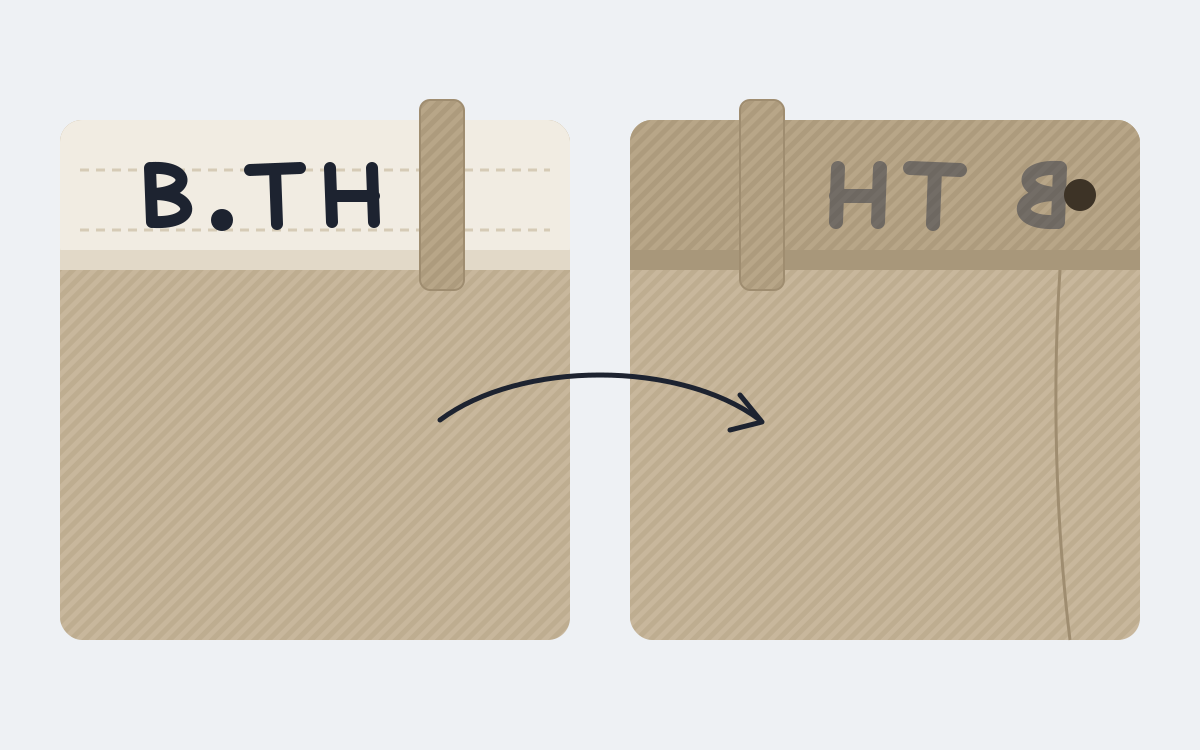
Walk into many laundries and you will see it. A staff member takes a shirt, turns the collar down, and writes the customer's name or a number on the inside with a marker. Trousers get the same mark inside the waistband.
It is quick, it costs almost nothing, and it has been done this way for years. That is why so many shops still do it.

Why customers with good clothes do not like it
A customer who paid a lot for a shirt, a suit or an agbada does not expect to get it back with someone else's handwriting on it. The mark stays long after the order is done.
Ink spreads into the weave and leaves a blurred stain. On thin or light fabric, it can show through to the outside, where everyone can see it.
Each new laundry adds its own mark. After a few years, a good shirt can carry a collar full of names and numbers.
To the customer, it says their clothes were handled in a hurry. That is the opposite of what a laundry wants to say.
It does not even work that well
Ink fades after a few washes, so the mark you need on day three may be hard to read.
Handwriting is easy to misread, especially when the shop is busy. Two customers with the same initials can end up with each other's shirts.
A pen mark is also not linked to anything. Your staff still have to find the order in a book or a pile of receipts.
A better way: a printed label that comes off
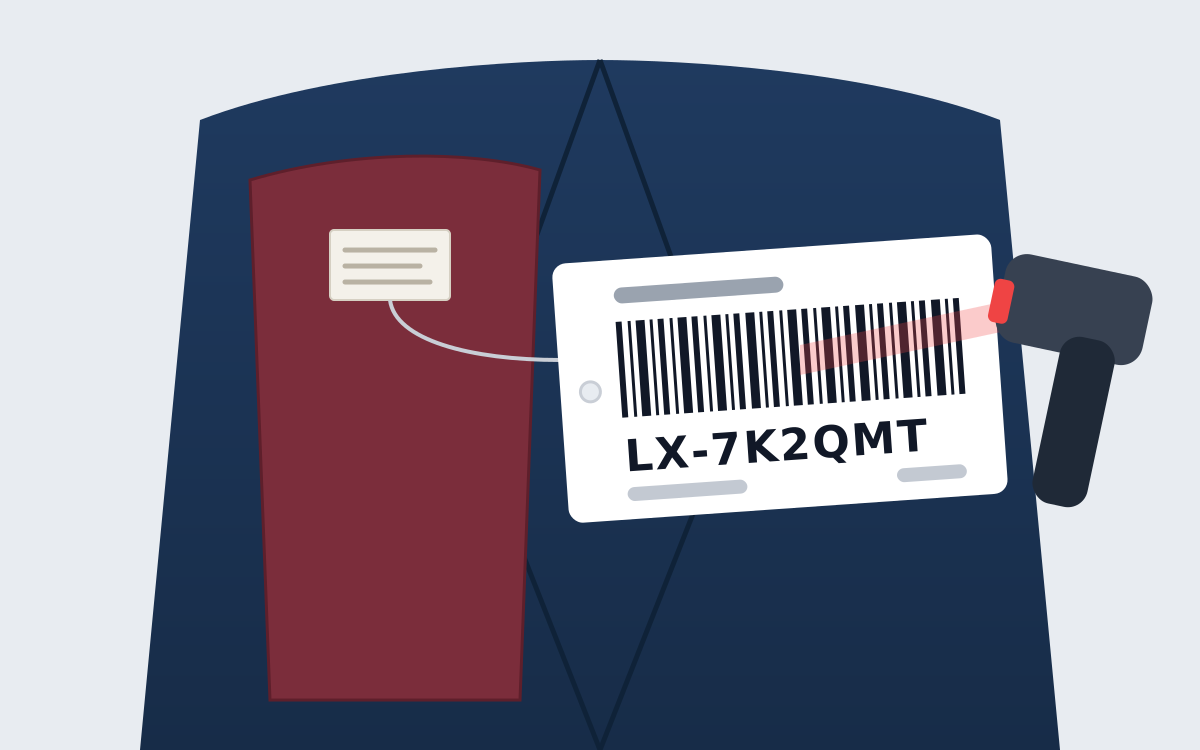
Give each garment its own printed label with a short code and a barcode. Pin it or tie it through the care label, so nothing marks the fabric itself.
The code ties the garment to its order. Anyone on your team can read it or scan it, and there is no handwriting to guess at.
Take the label off before the clothes go home. The customer gets back exactly what they brought, with no new marks.
How to switch without slowing down
You need a small label printer and a roll of labels. A barcode scanner helps, but a phone camera can do the same job.
Print the labels while the customer is still at the counter, and attach them as you count each item. It takes about as long as writing with a pen.
Tell customers about the change. Many will notice, and some will choose you because of it.
How WashCare helps
WashCare prints one label per garment, or one per bag if you prefer. Each label has a barcode that any USB or Bluetooth scanner can read, and the code in large type for a person to read.
Scan a label at the counter, or use your phone's camera, and WashCare brings up the order it belongs to. Try it free for 7 days.
Ajụjụ ndị mmadụ na-ajụ
Is it ever fine to write on a garment?
Only with the customer's agreement. Most people with good clothes would rather you used a label that comes off.
Will a label fall off in the wash?
Pin or tie it firmly through the care label, and check it after each step. Some shops take labels off for washing and keep each order's items together in a net bag.
Do I need a barcode scanner?
No. The code on each label is printed large enough to read and type. A scanner or a phone camera just makes finding the order faster.